
Digital Compass
Description
The Digital Compass of 2025 In an era defined by rapid technological shifts and an overwhelming sea of data, the concept of a “Digital Compass” has evolved from a simple smartphone utility into a critical survival strategy for the modern professional and casual user alike. As we navigate the complexities of late 2025, understanding how to calibrate your digital direction is no longer optional—it is the difference between being swept away by the current and charting a course toward meaningful progress.
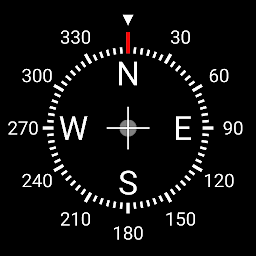
What is a Digital Compass?
Beyond the hardware sensor that helps you find North on a map, a Digital Compass represents the framework of tools, ethics, and filters we use to navigate the internet. It is the intersection of artificial intelligence, cybersecurity, and intentional digital habits. In 2025, this compass is powered by three main “cardinal points”: AI-Human Synergy, Data Sovereignty, and Cognitive Wellness.
The Four Cardinal Points of Modern Navigation
1. North: AI-Human Synergy
In 2025, the “true north” of any digital strategy is no longer just “automation”—it is Augmented Intelligence. We are moving past the fear of AI replacement and into an era of collaboration. A reliable digital compass uses AI to handle the heavy lifting—data analysis, scheduling, and basic coding—allowing the human user to focus on high-level creativity and empathetic decision-making. If your digital path doesn’t integrate AI as a co-pilot, you are essentially navigating with a paper map in a GPS world.
2. South: Data Sovereignty and Privacy
If North is where we are going, South represents our roots and our safety. Data privacy has shifted from a niche concern to a fundamental right. Using tools like Proton for encrypted communication or decentralized identity platforms allows users to own their digital footprint. A digital compass that ignores privacy is broken; in 2025, “free” services often come at the cost of your digital autonomy. Navigation today requires a firm understanding of where your data lives and who has the keys.
3. East: The Information Filte
We are currently facing “information obesity.” The “East” of our digital compass represents the rising sun of clarity. This involves using sophisticated filtering tools—LLM-powered research assistants and curated newsletters—to cut through the noise. To maintain a functional digital compass, one must move away from “doomscrolling” and toward “intentional consumption.” This means setting up RSS feeds or using platforms like Pocket to save high-quality long-form content for focused reading.
4. West: Cognitive Wellness
The “West” represents the setting sun—the need to disconnect. A true digital compass includes “Off” as a valid direction. In 2025, the most successful individuals are those who have mastered the art of the Digital Detox. This involves setting hard boundaries with “Do Not Disturb” modes, utilizing grayscale screen settings to reduce dopamine triggers, and reclaiming the physical world.
Calibrating Your Compass for 2026 and Beyond
As we look toward the new year, how do you ensure your digital compass is accurate?
- Audit Your Tech Stack: Once a quarter, review your subscriptions and apps. If a tool isn’t actively helping you reach your “North,” discard it.
- Embrace “Human-in-the-Loop”: Never let an algorithm make the final call on important creative or ethical decisions. Use the OpenAI Platform or similar tools for brainstorming, but keep the steering wheel in your hands.
- Secure Your Perimeter: Use a password manager like Bitwarden and enable hardware-based two-factor authentication (2FA). Security is the magnetism that keeps your needle steady.
The Horizon
The digital landscape will only become more crowded and complex. The “Digital Compass” isn’t about finding a final destination; it’s about maintaining the ability to choose your own path despite the noise. By focusing on synergy, privacy, clarity, and wellness, you can transform the internet from a chaotic wilderness into a structured landscape of opportunity.