FREEVIEW TV
Description

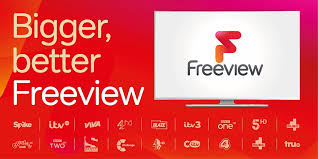
FREEVIEW TV is the United Kingdom’s primary platform for free-to-air digital terrestrial television (DTT), managed by Everyone TV (formerly Digital UK). Since its launch in 2002, it has become the standard for non-subscription television, reaching approximately 19 million homes. As of December 2025, Freeview continues to provide a vital public service, offering dozens of standard and high-definition channels without monthly fees or contracts.
How FREEVIEW TV Works
FREEVIEW TV delivers television signals via a network of terrestrial transmitters to your home’s aerial. Most modern television sets, including come with a built-in Freeview tuner. To access the service, you simply connect a working to the back of your television and perform a channel scan.
While terrestrial signals cover roughly 98.5% of the UK population, the specific number of channels available can vary based on your local transmitter’s signal strength and the quality of your equipment.
The Evolution of Freeview Play
The platform has evolved significantly with the introduction of Freeview Play. This advanced service integrates live television with on-demand content from major UK broadcasters, including BBC iPlayer, ITVX, Channel 4, and My5.
- Key Feature: The “7-day scroll back” electronic programme guide (EPG) allows users to find and watch missed shows directly from the TV guide without opening separate apps.
- HD Channels: To access High Definition (HD) channels, viewers must use a “Freeview Play” compatible device
Advantages of Freeview
- Cost-Free Access: Unlike cable or satellite services like Sky or Virgin Media, Freeview requires no subscription. Once you have a TV and aerial, the service is free.
- Ease of Setup: For most users, it is a “plug-and-play” experience. You do not need to wait for an engineer to install a satellite dish or complex broadband wiring.
- Regional Diversity: Freeview carries local news and radio stations tailored to specific regions, ensuring viewers stay connected to their local communities.
- Public Service Broadcasting: It ensures that national treasures like the BBC and Channel 4 remain accessible to everyone, regardless of income.
Technical Considerations and Fault Finding
FREEVIEW TV Occasional technical issues can occur, such as channels “disappearing” due to transmitter maintenance or atmospheric conditions.
- Rescanning: The first step for any signal issue should be a manual or auto-rescan via the TV’s settings menu.
- Hardware Requirements: If you live in an area with poor reception, you may need a high-gain aerial or a signal booster.
- Freeview vs. Freesat: In regions where terrestrial signals are exceptionally weak, which uses a satellite dish instead of an aerial—is often the recommended alternative.
The Future of Freeview
FREEVIEW TV landscape of UK television is shifting toward broadband-based delivery. In late 2024, the government and industry stakeholders released reports on the Future of TV Distribution, noting a gradual transition toward IPTV (Internet Protocol Television). Despite the growth of mobile data and streaming services, the Digital Terrestrial Television (DTT) model remains a cornerstone for millions of viewers.
For those looking for the latest hardware to support Freeview in 2025, premium options like provide dual receivers for both Freeview and Freesat, ensuring maximum flexibility for the modern viewer.
Summary
FREEVIEW TV remains the most accessible way to watch TV in the UK. Whether you are using a basic set-top box or a high-end the platform delivers the core of British entertainment, news, and culture for free. As the industry moves toward a digital-first future, Freeview continues to bridge the gap between traditional broadcasting and modern on-demand convenience.